

Context
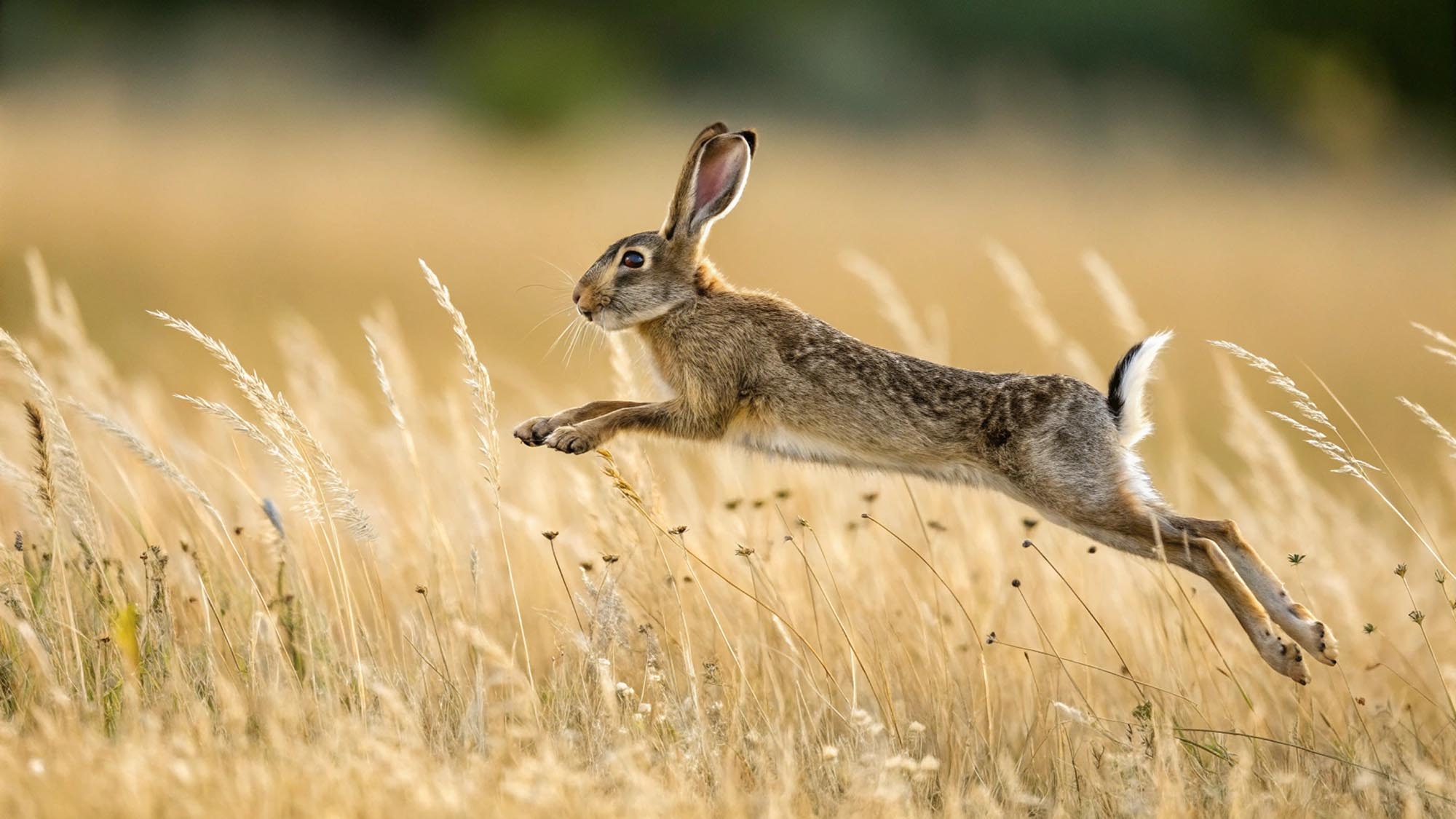
The canton of Vaud has been monitoring brown hare populations for several years in areas of concern, notably the Plaine de l’Orbe and the Chablais region. With the evolution of technologies and counting methods, a twofold question arose: can we transition from area counts to more efficient linear transects, and can thermal cameras replace the traditional spotlights used for three decades? At the same time, the need to estimate actual population densities, beyond simple trend indices, led to testing advanced statistical approaches such as Distance Sampling and N-mixture models.
FatBear expertise
Our intervention consisted of analyzing the collected data along three axes: validation of the linear transect method through correlation with area counts, comparative calibration between spotlight and thermal camera, and estimation of actual population densities using robust statistical methods incorporating detectability. The results confirmed the relevance of transects for the future while preserving the historical series, concluded that there was insufficient correlation between spotlight and thermal camera to justify a methodological change, and identified areas for improvement to refine density estimates with complementary data.