

Context
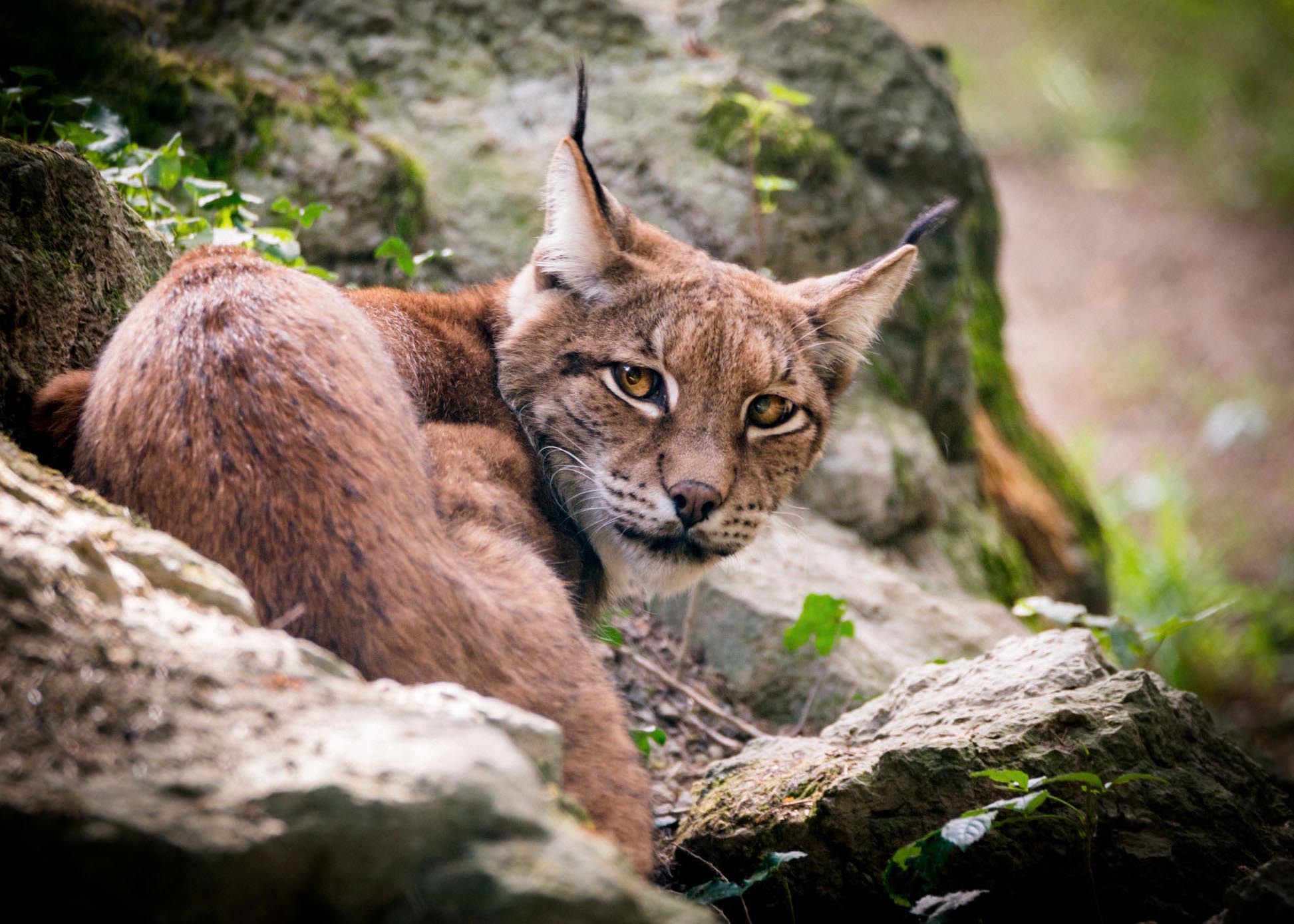
Lithuania constitutes an essential biological crossroads for large carnivores in Europe, connecting populations from Eastern Europe to Scandinavia. However, increasing landscape fragmentation by a dense network of linear infrastructures (roads, railways) and agricultural intensification threaten the movement of iconic species such as the wolf and the lynx. Our study addresses an urgent need to scientifically map functional ecological corridors to guide land-use planning decisions and preserve connectivity between populations.
FatBear expertise
We developed an innovative approach combining habitat quality modeling and corridor analysis at the national scale. By integrating different land-use and climate change scenarios, our methodology enables the assessment of the impact of current and future infrastructures on carnivore movements. We provide a strategic prioritization of priority sites for the installation of wildlife crossings, thereby ensuring maximum effectiveness of long-term conservation investments.