

Context
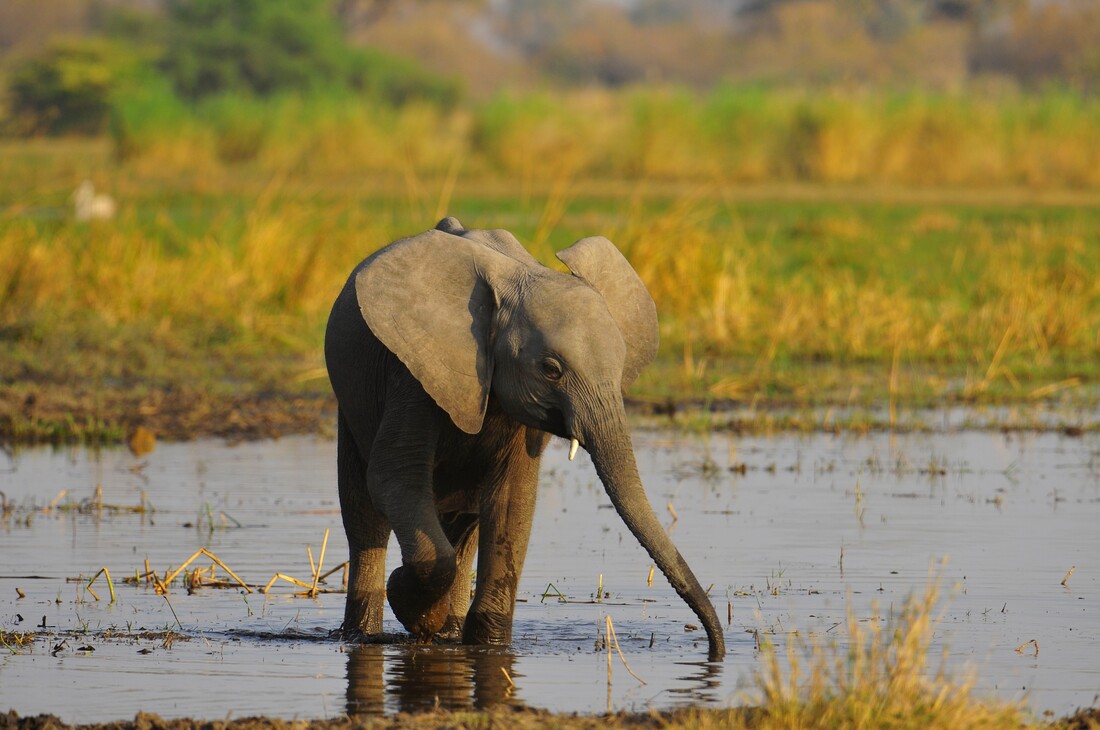
The Mawana reserve in South Africa constitutes a unique case study, where a poorly maintained fence has created a de facto open system allowing elephants to move freely between the reserve and the surrounding multi-use landscapes. Three individuals were fitted with GPS collars, providing valuable data on movement ecology in a complex matrix of protected areas, agriculture, and inhabited zones. Our analysis aimed to understand how these pachyderms select their habitat, respond to disturbances, and maintain herd cohesion in this fragmented context.
FatBear expertise
Our approach combined habitat selection modeling, movement analysis, and quantification of behavioral responses to a culling intervention. The results revealed a concerning mismatch between elephant habitat preferences and current conservation plans, with the most attractive areas located outside protected perimeters. We also highlighted a persistent and significant avoidance of the culling site, and quantified the strong spatial cohesion within the herd.

Partner
HWA-Africa (South Africa)