

Context
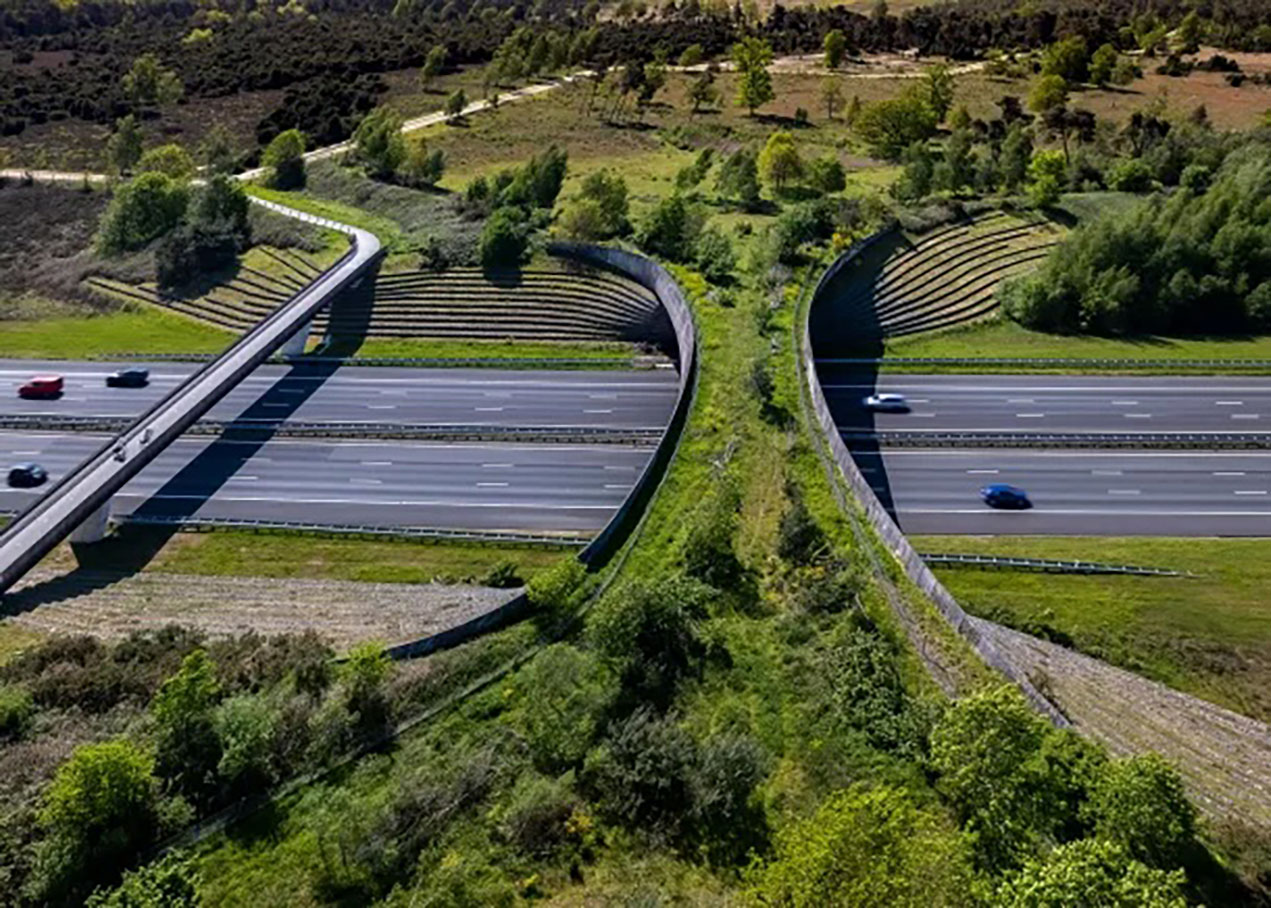
Context Collisions between vehicles and ungulates represent a major road safety and conservation issue in Europe, with economic costs exceeding one billion euros per year. In Lithuania, the roe deer is the species most frequently involved, due to its high population densities and its crepuscular activities coinciding with peak traffic hours. Understanding why some days record more collisions than others, beyond known seasonal trends, constitutes a major scientific challenge for developing effective warning systems.
FatBear expertise
Our innovative approach consisted of coupling high temporal resolution road mortality data with hourly measurements of several meteorological variables from weather stations distributed across the entire Lithuanian territory. We analyzed three temporal scales (24 hours, one week, two weeks) and tested both absolute values and deviations from moving averages. The results reveal that it is short-term deviations from recent weather norms that trigger collisions, with opposite seasonal effects: cooler days in summer, warmer days in winter. These findings potentially pave the way for dynamic alert systems based on weather forecasts.