
Context
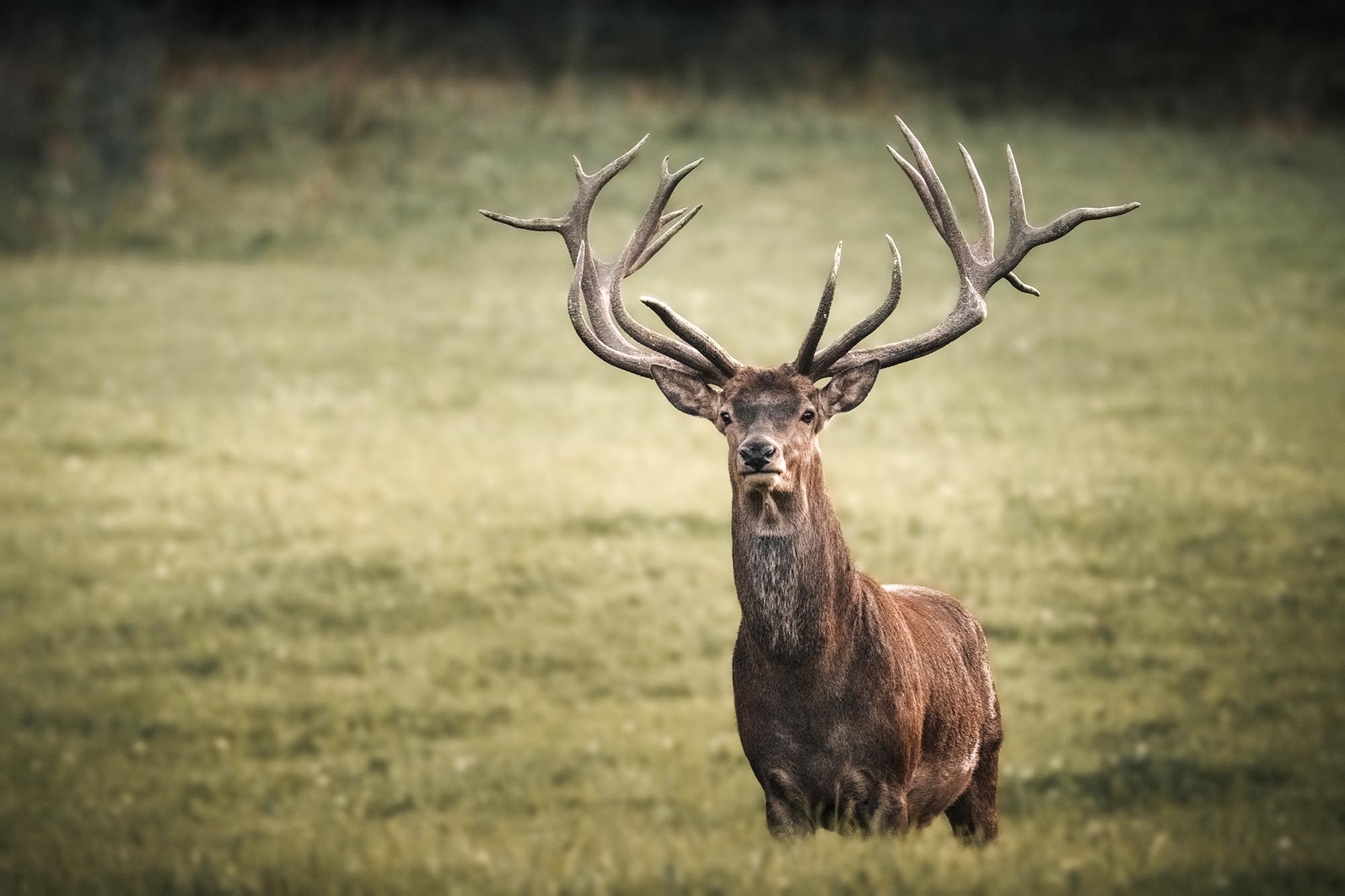
Hunting, while being an essential tool for wildlife population management, generates non-lethal disturbances (noise, human presence) that influence animal behavior. In two regions of Bavaria in Germany, our study tracked red deer equipped with GPS collars to understand how nearby hunting activities alter their movements, space use, and habitat selection. With over 6,700 tracking days, this research provides unique insights into the behavioral responses of large herbivores to hunting pressure.
FatBear expertise
Our approach combined analyses of daily home ranges, movement speeds, and fine-scale habitat selection. The results show that deer significantly expand their home range and increase their movement speed on hunting days, with effects persisting up to five days after the event. The use of advanced statistical models revealed changes in habitat selection, with deer favoring steeper areas and dense vegetation cover after a disturbance. These short-term responses underscore the importance of adaptive management of hunting schedules.